
What Happens If You Refuse a Breathalyzer in Tennessee?
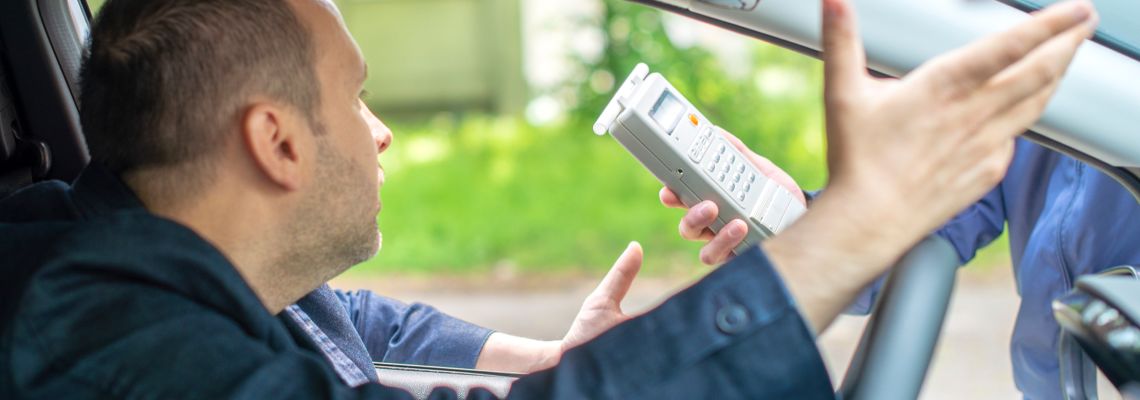
Seeing red and blue lights flashing in your rearview mirror is a terrifying experience that naturally makes your heart race. When an officer approaches your window and asks you to blow into a machine, panic sets in, and you might wonder if refusing will only make things worse. It's normal to feel scared and uncertain in this situation. You're not alone, and help is available to protect your rights.
At Zak Newman Attorney at Law, they know how stressful a traffic stop is for anyone. Their Chattanooga, TN DUI lawyer fights tirelessly to protect their clients’ driving privileges and futures. If you're facing a license revocation, reach out today to discuss your case and find a clear path forward.
What Implied Consent Means in Tennessee
Driving is a privilege, not a constitutional right. Because of this, Tennessee enforces an implied consent law for all motorists. By holding a driver’s license and operating a vehicle on state roads, you automatically agree to chemical testing if an officer suspects you of driving under the influence. This testing includes breath, blood, or saliva analysis.
When an officer pulls you over, they must have reasonable suspicion to make the stop. If they observe signs of intoxication, they'll likely request a breathalyzer test. In some situations, an officer may instead request a blood sample. You technically have the physical ability to refuse either test. However, saying no triggers automatic civil penalties under the implied consent statute and refusing a requested blood sample carries the same implied consent consequences as refusing a breath test.
These civil penalties operate separately from any criminal charges you could face. Even if a judge dismisses your criminal case, the state can still suspend your license for refusing the breathalyzer.
Penalties for Refusing a Breathalyzer
Many people think that refusing a breathalyzer will save them from a conviction. Unfortunately, refusing the test often leads to harsher administrative consequences. Tennessee recently updated its laws to heavily penalize drivers who say no to chemical testing.
As of 2026, the penalties for a first-time refusal have increased significantly. The state no longer limits the suspension to just twelve months. If you refuse a breathalyzer or blood test, your driving privileges are in immediate jeopardy.
Here are the current license revocation periods based on your driving history.
First refusal: You face an 18-month license suspension if you have no prior convictions within ten years.
Second refusal: The state will suspend your driver's license for two full years.
Third or subsequent refusal: You face a severe five-year suspension of your driving privileges.
Losing your license for any amount of time disrupts your job, family obligations, and daily routine. You'll likely have to pay high fines, install an ignition interlock device, and attend substance abuse classes. A skilled TN criminal defense attorney knows how to effectively contest these penalties to keep you on the road.
Challenging a License Revocation
A license revocation isn't always set in stone. You have a limited window of time to request an administrative hearing with the state. During this hearing, your lawyer can present evidence to fight the implied consent violation.
Because this specific hearing focuses strictly on the refusal, criminal guilt isn't the main issue. If the police made mistakes, an experienced lawyer can use those errors to save your license.
There are several strong defenses your legal counsel can raise during this administrative hearing.
Lack of probable cause: The police officer didn't have a valid, legal reason to pull you over in the first place.
Improper advisement: The officer failed to clearly explain the legal consequences of refusing the chemical test.
Medical conditions: A documented physical or respiratory issue prevented you from providing a sufficient breath sample.
If your attorney successfully argues one of these points, the court can dismiss the implied consent violation. This dismissal protects you from the automatic 18-month suspension and the costly ignition interlock device requirements.
How a Refusal Impacts Your Criminal Case
Aside from the civil license suspension, refusing a breathalyzer heavily impacts your actual criminal trial. Prosecutors love to use a refusal as evidence of guilt. They'll argue that you said no because you knew you were intoxicated and wanted to hide the evidence.
Without a specific blood alcohol concentration number, the state must rely on other factors to prove you were impaired. The prosecutor will use the officer’s testimony, dashcam footage, and your performance on field sobriety tests.
An experienced Tennessee DUI defense attorney knows exactly how to counter these tactics in court. They'll cross-examine the arresting officer to expose inconsistencies in their story.
Facing the Road Ahead With a DUI Attorney
Dealing with an implied consent violation and a potential criminal conviction is incredibly daunting. The thought of losing your ability to drive brings immense anxiety. You deserve a legal advocate who will treat you with respect while aggressively defending your rights. A dependable DUI attorney will stand by your side through every hearing and court date.
Don't let a single mistake define your future or permanently alter your life, because there are valid defenses available. Zak Newman Attorney at Law is ready to review the details of your traffic stop and build a strong defense. They represent clients across Chattanooga, Red Bank, East Ridge, Collegedale, Soddy Daisy and throughout Tennessee. Contact Zak Newman Attorney at Law to schedule a consultation and start building your defense.